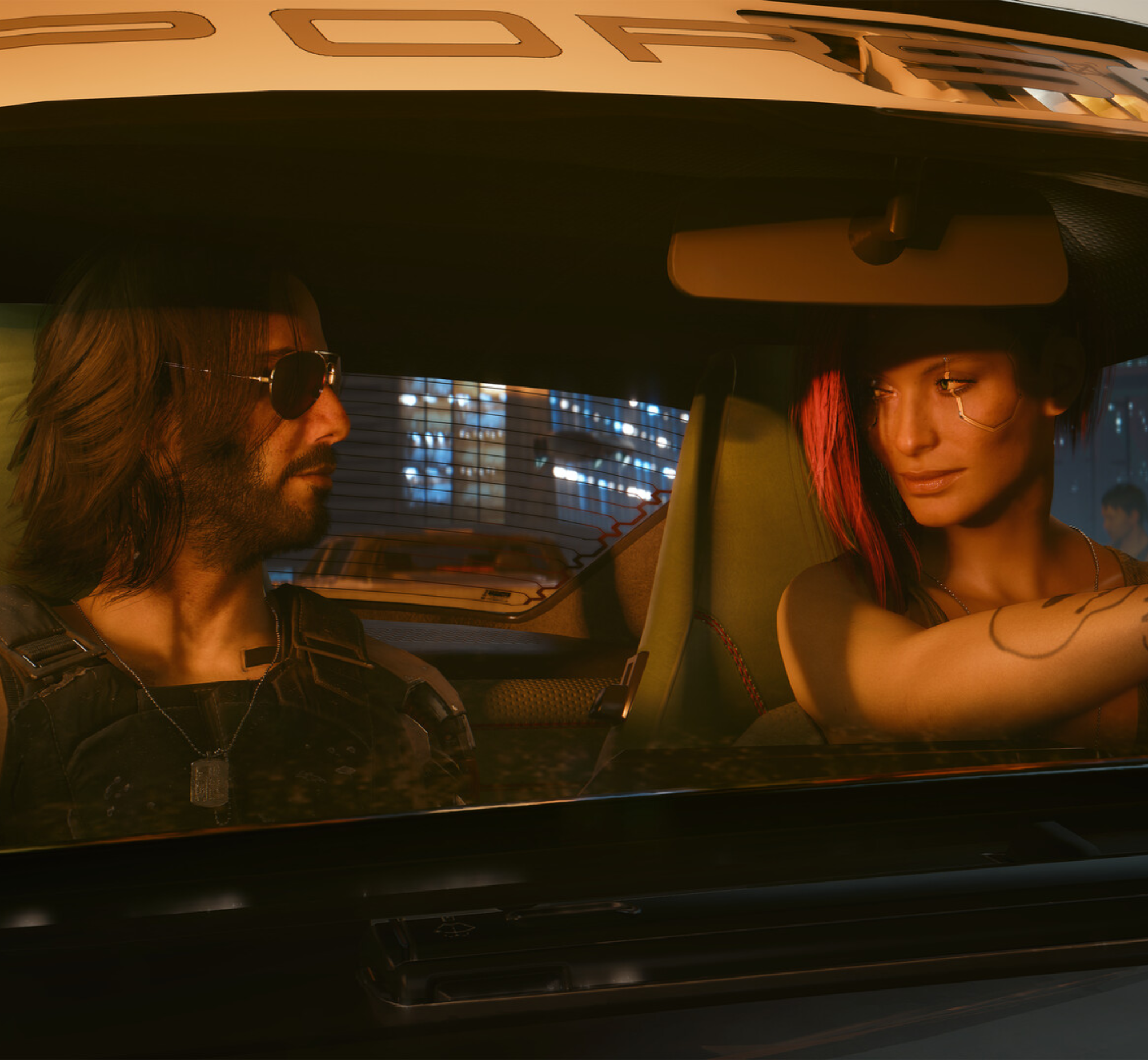
Cyberpunk 2077 has officially crossed a milestone many once thought impossible. CD Projekt Red confirmed that the futuristic RPG has sold more than 35 million units worldwide, surpassing the comparable-timeline sales of its own genre-defining classic, The Witcher 3: Wild Hunt. It’s a remarkable turnaround for a game that launched under heavy scrutiny, and it cements Cyberpunk’s status as one of the most commercially successful RPGs of its generation.
A major force behind this resurgence is the release of the Cyberpunk 2077: Ultimate Edition, a comprehensive package bundling the base game with all updates and the acclaimed Phantom Liberty expansion. More importantly, the studio widened its reach by bringing the title to additional platforms—including the Nintendo Switch 2, where it has found surprisingly strong footing thanks to the next-gen handheld’s robust hardware. For many players, this version marks the first time Cyberpunk feels like the game it was meant to be in 2020: polished, stable, visually striking, and packed with deep narrative content.
The Ultimate Edition’s timing also plays a role. Released amid a quieter holiday season in terms of massive RPG competition, the re-launch gave newcomers and returning players alike an easy access point. Word of mouth, long one of the franchise’s strongest assets, has only grown louder. With streamers and content creators revisiting Night City in droves, public perception has shifted from “cautionary tale” to “redemption arc done right.”
Another key factor behind Cyberpunk’s momentum is the studio’s dedication to ongoing support. CD Projekt Red didn’t abandon the game after its rocky start; instead, it rebuilt it. The steady stream of quality-of-life fixes, system overhauls, and new side content—combined with the transformational 2.0 update—effectively reshaped core mechanics such as police response, vehicle combat, and cyberware balance. For many, Cyberpunk became a new game overnight.
Now, as sales milestones fall, CD Projekt Red is positioning itself for the future. The company has continued expanding its workforce, signaling active development across multiple major projects. While the studio hasn’t disclosed full details, fans already know that Cyberpunk’s sequel, codenamed “Project Orion,” is in the works, promising to explore new regions and storylines in the neon-drenched universe. Separate teams are also pushing forward with The Witcher franchise’s next chapter, ensuring the company’s two flagship worlds continue to grow.
The success of Cyberpunk 2077 also carries broader industry implications. Its dramatic turnaround is increasingly cited as a model for major studios on how to restore trust, revitalize a troubled release, and maintain long-tail engagement without predatory monetization. As more blockbuster games launch under the pressure of tight schedules and rising expectations, Cyberpunk’s path from controversy to critical and commercial success stands as both a warning and a roadmap.
With the Ultimate Edition thriving, Phantom Liberty earning long-term praise, and the sequel drawing early excitement, Cyberpunk’s world is no longer defined by the headlines of its past. For millions of players—and for CD Projekt Red itself—Night City has become a success story rewritten, one milestone at a time.