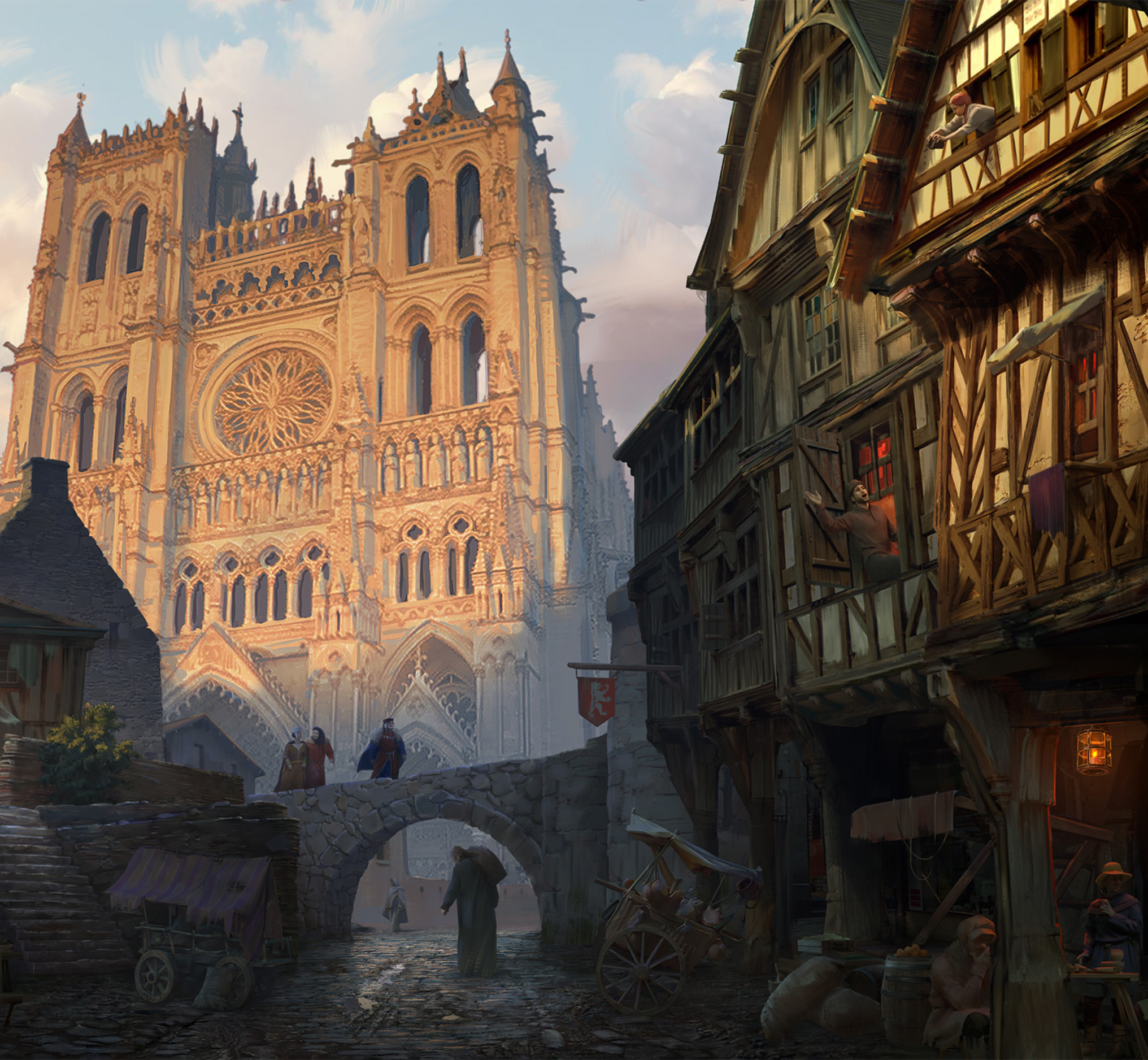
After years of speculation and hope from longtime fans, Creative Assembly has officially confirmed that Total War: Medieval 3 is now in development—marking the franchise’s long-awaited return to one of its most beloved historical eras. The announcement, delivered as part of an early production update from the studio, signals a major step forward for the Total War series and reignites enthusiasm among strategy gamers who have been eager for a new medieval-era installment since Medieval II released nearly 20 years ago.
Although still in pre-production, the studio says its vision for the new entry is ambitious: a deeper, richer medieval strategy sandbox built on years of design evolution, player feedback, and technological advancements. The team emphasized that the sequel will not merely revisit old ideas with a modern coat of paint. Instead, it aims to meaningfully expand the scope, political complexity, and battlefield authenticity that defined the earlier games.
This early reveal comes at a time when Creative Assembly is actively rebuilding trust and reshaping its future direction following a challenging period for the company. The studio has recently refocused its priorities around historical strategy, a move widely applauded by the franchise’s core community. With Medieval 3, Creative Assembly appears determined to deliver something that feels both classic and transformative.
Fans familiar with the era will instantly recognize the potential. The medieval period is one of the richest for grand-strategy storytelling: competing kingdoms, dynastic politics, religious conflicts, and rapidly evolving military technologies. From armored knights and siege weapons to crusades, rebellions, and economic upheaval, the time period offers countless threads for immersive gameplay. Early hints from the developers suggest the game will lean deeper into these dynamics than ever before, weaving together diplomacy, warfare, and long-term empire management in a more interconnected way.
Creative Assembly also noted that it intends to bring the large-scale spectacle of modern Total War battles into sharper historical focus. Players can expect advances in unit behavior, siege mechanics, and battlefield realism—areas where fans have long requested improvements. While no specific mechanics have been detailed yet, the studio has indicated that authenticity and player-driven strategy will be at the forefront.
The announcement has energized the community, sparking discussions about potential factions, campaign maps, and narrative arcs. Many players hope to see a mixture of familiar favorites and lesser-known but historically significant regions represented across a more dynamic and reactive medieval world. Others are eager for improvements to modding support, a hallmark of earlier Medieval titles that helped sustain their popularity for years.
It will likely be some time before Total War: Medieval 3 reaches full production or receives a release window, but the confirmation alone has already set expectations soaring. For many, the return to swords, shields, and shifting medieval alliances feels like a natural and exciting evolution for the franchise—especially at a moment when large-scale historical strategy games are enjoying a resurgence.
If Creative Assembly delivers on its vision, Total War: Medieval 3 could become one of the defining strategy releases of the decade, reviving a classic era while pushing the series into a bold new chapter.