As 2025 draws to a close, the video game industry is reflecting on a year defined as much by delays and reassessments as by celebration. One of the most notable developments is the confirmation that Ark 2, the long-anticipated sequel to Ark: Survival Evolved, is now targeting a 2028 launch window. Alongside this news, a wave of retrospectives and year-end hardware sales reports is offering a clearer picture of where the industry stands—and where it may be heading next.
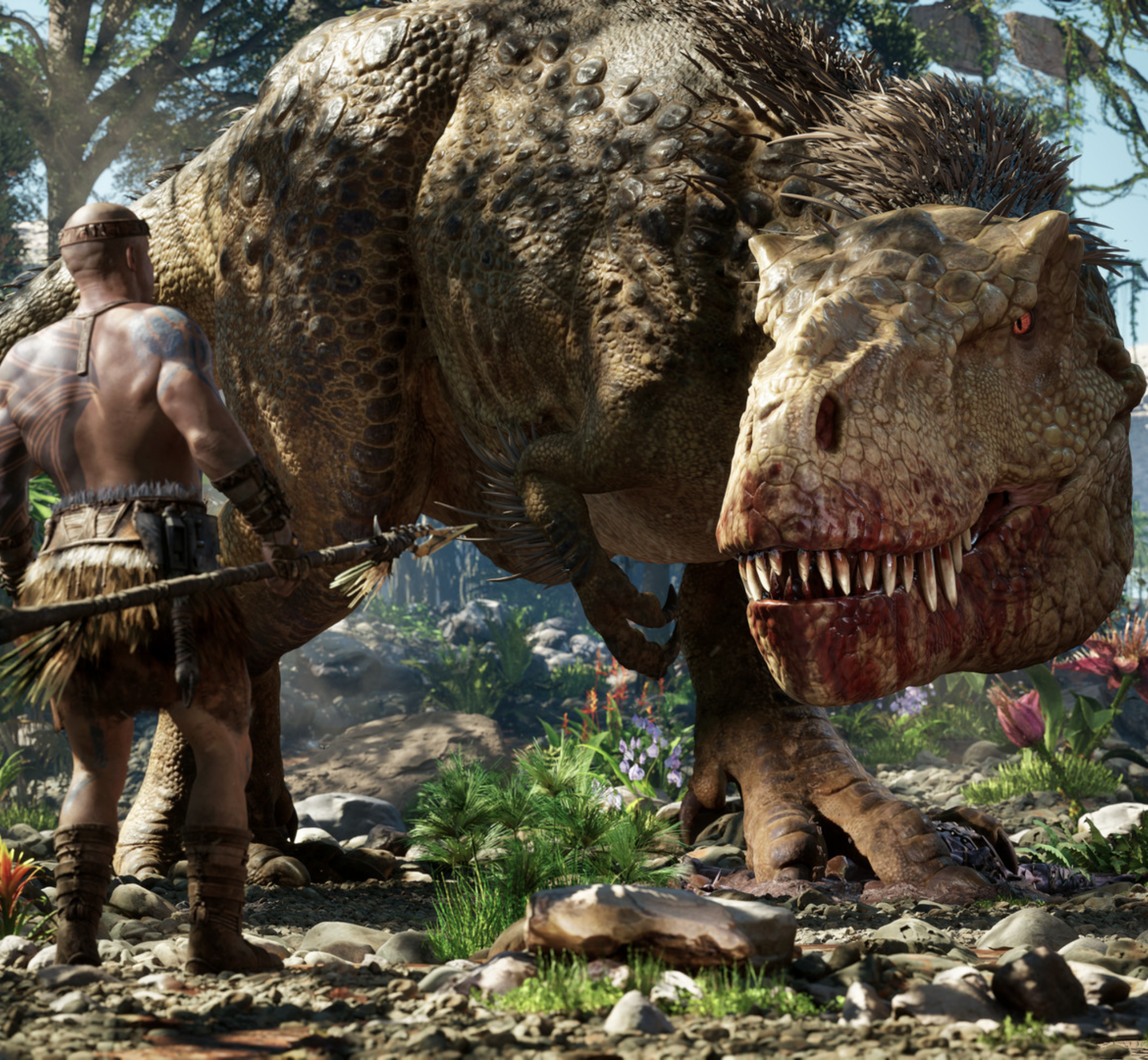
Originally revealed with significant fanfare and a cinematic trailer featuring Vin Diesel, Ark 2 was positioned as a bold reinvention of the survival franchise. Developers promised a more narrative-driven experience, revamped combat, and a greater emphasis on soulslike mechanics rather than the sandbox chaos of its predecessor. However, as development ambitions expanded, so did timelines. The new 2028 target reflects a broader industry trend: studios are increasingly choosing longer development cycles in response to player expectations for polish, stability, and meaningful innovation.
The delay also highlights the challenges of transitioning established franchises into new design philosophies. Ark: Survival Evolved thrived on emergent gameplay and community-driven stories, while Ark 2 aims to deliver a more curated experience without alienating its core audience. Pushing the release further into the future suggests the developers are prioritizing cohesion and quality over rushing to market—a move many players have grown to appreciate after years of high-profile launches plagued by technical issues.
Beyond individual game updates, the end of the year has brought a flood of retrospectives examining how 2025 will be remembered. Analysts and creators alike are pointing to a year dominated by sequels, remakes, and franchise revivals, with fewer surprise breakout hits than in previous cycles. While indie games continued to earn critical praise, blockbuster releases often played it safe, reflecting rising development costs and risk-averse publishing strategies.
Hardware sales reports are adding another layer to the conversation. Consoles maintained steady but unspectacular performance throughout the year, with growth largely driven by price drops, bundled deals, and late-cycle adopters rather than explosive new demand. Portable and hybrid gaming continued to gain traction, reinforcing the idea that flexibility and convenience are becoming as important as raw power. Meanwhile, PC hardware sales showed mixed results, with high-end components struggling against broader economic pressures.
Taken together, these trends paint a picture of an industry in a cautious but deliberate phase. The Ark 2 delay to 2028 fits neatly into this narrative: developers are recalibrating expectations, players are becoming more patient, and publishers are reassessing how best to balance ambition with sustainability. As retrospectives revisit the lessons of 2025 and hardware data sets the baseline for future growth, one thing is clear—video games are evolving at a slower, more thoughtful pace.
Looking ahead, the coming years may not be defined by constant releases, but by fewer, more carefully crafted experiences. If Ark 2 ultimately delivers on its promise, its extended development timeline could become a case study in why waiting longer sometimes pays off.