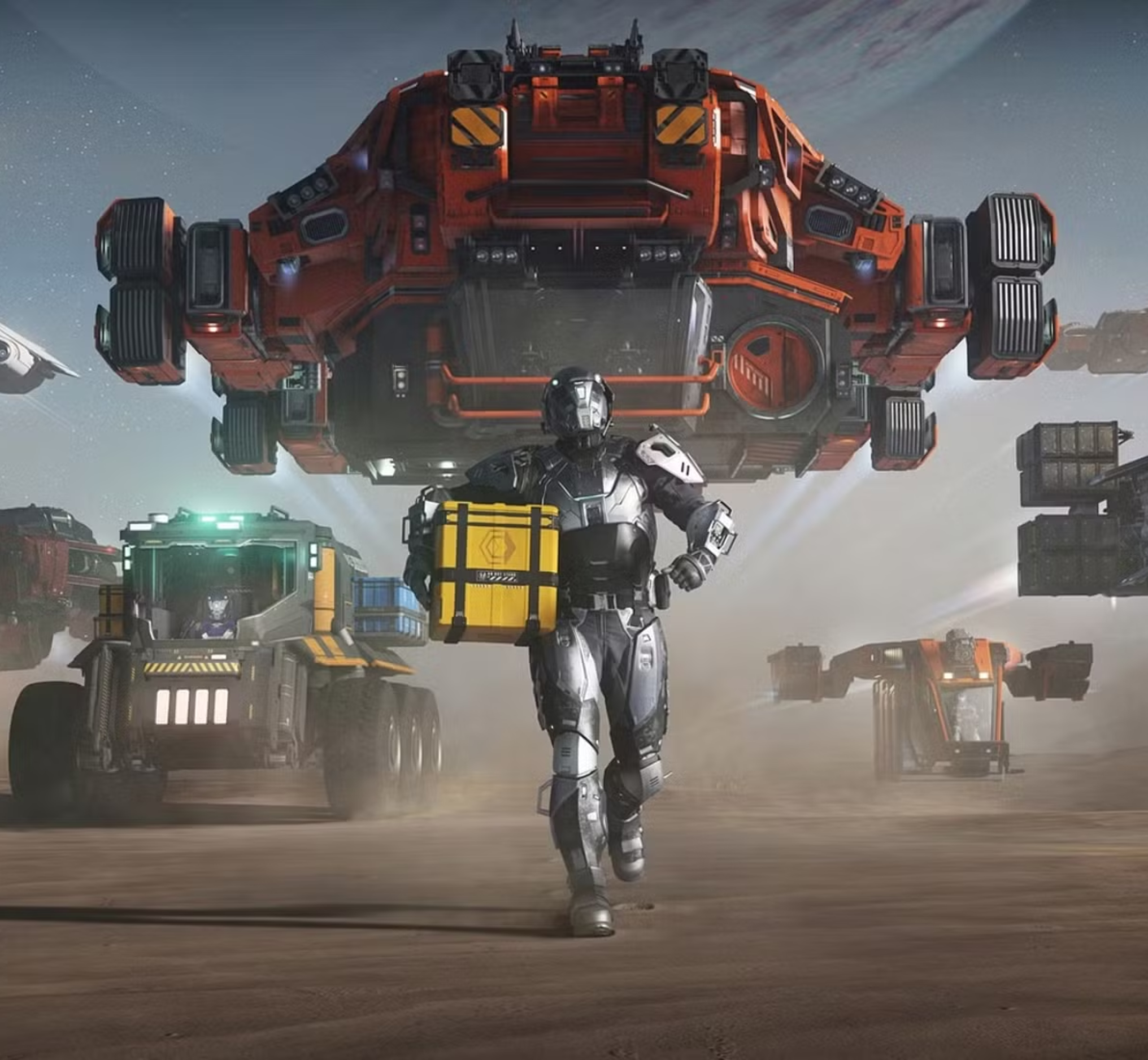
After more than a decade of development, Cloud Imperium Games has confirmed that Squadron 42, the long-awaited single-player companion to Star Citizen, is officially targeting a 2026 release. Studio founder Chris Roberts announced the window in a recent update, marking the clearest commitment yet for a project that has become one of the most ambitious—and closely watched—games in modern development history.
Squadron 42 has long been positioned as a cinematic, story-driven space combat experience, separate from the persistent online universe of Star Citizen. While the multiplayer sandbox has continued to evolve through live updates, Squadron 42 has remained largely behind the curtain, fueling speculation about its progress. The 2026 target suggests the project has reached a stage of stability and confidence not previously communicated by the studio.
According to Roberts, the core narrative, missions, and technical foundation of Squadron 42 are now firmly in place, with development efforts focused on polishing, optimization, and final content passes. The game aims to deliver a tightly paced military sci-fi campaign, blending dogfighting, first-person combat, and cinematic storytelling. Unlike the open-ended structure of Star Citizen, Squadron 42 is designed as a curated experience with a defined beginning and end.
One of the game’s most notable features is its star-studded cast, which includes Hollywood talent portraying key characters in the story. Performance capture sessions for these roles were completed years ago, reinforcing the idea that much of the remaining work lies in technical refinement rather than foundational design. Cloud Imperium Games has emphasized that the delay has allowed the team to push fidelity, AI behavior, and seamless transitions between gameplay systems to levels they believe are necessary for a modern blockbuster release.
The announcement also carries broader implications for Star Citizen itself. Many of the technologies built for Squadron 42—including improved AI routines, flight mechanics, and rendering upgrades—are expected to flow back into the online universe over time. This shared tech pipeline has often been cited as a reason for the prolonged development, but supporters argue it will ultimately benefit both experiences.
Reactions from the community have been mixed but largely hopeful. Longtime backers, some of whom have waited years for concrete timelines, view the 2026 window as a long-overdue milestone. Skeptics, meanwhile, remain cautious, noting the project’s history of shifting targets and ambitious scope. Even so, the clarity of the announcement represents a notable change in tone from previous years.
As the industry looks ahead to 2026—a year already shaping up to be crowded with major releases—Squadron 42 stands out as a unique case study in prolonged development and fan-funded ambition. If Cloud Imperium Games meets its target, the launch could redefine perceptions of the Star Citizen project and finally deliver the single-player epic that has been promised since its original reveal.