HBO is officially stepping into the world of Faerûn. A television adaptation of Baldur’s Gate is in development, with the series set to continue the story established in the critically acclaimed role-playing game Baldur’s Gate 3. The project brings together HBO and key creative talent behind one of the most successful video game adaptations to date, signaling another major push to translate prestige gaming franchises to television.
The series is being developed with the involvement of Craig Mazin, the co-creator of HBO’s The Last of Us, which earned widespread praise for its faithful storytelling, character depth, and cinematic production values. Mazin’s participation immediately positions Baldur’s Gate as a high-profile project, particularly among fans who have grown increasingly hopeful that video game adaptations can be both respectful to their source material and compelling to broader audiences.
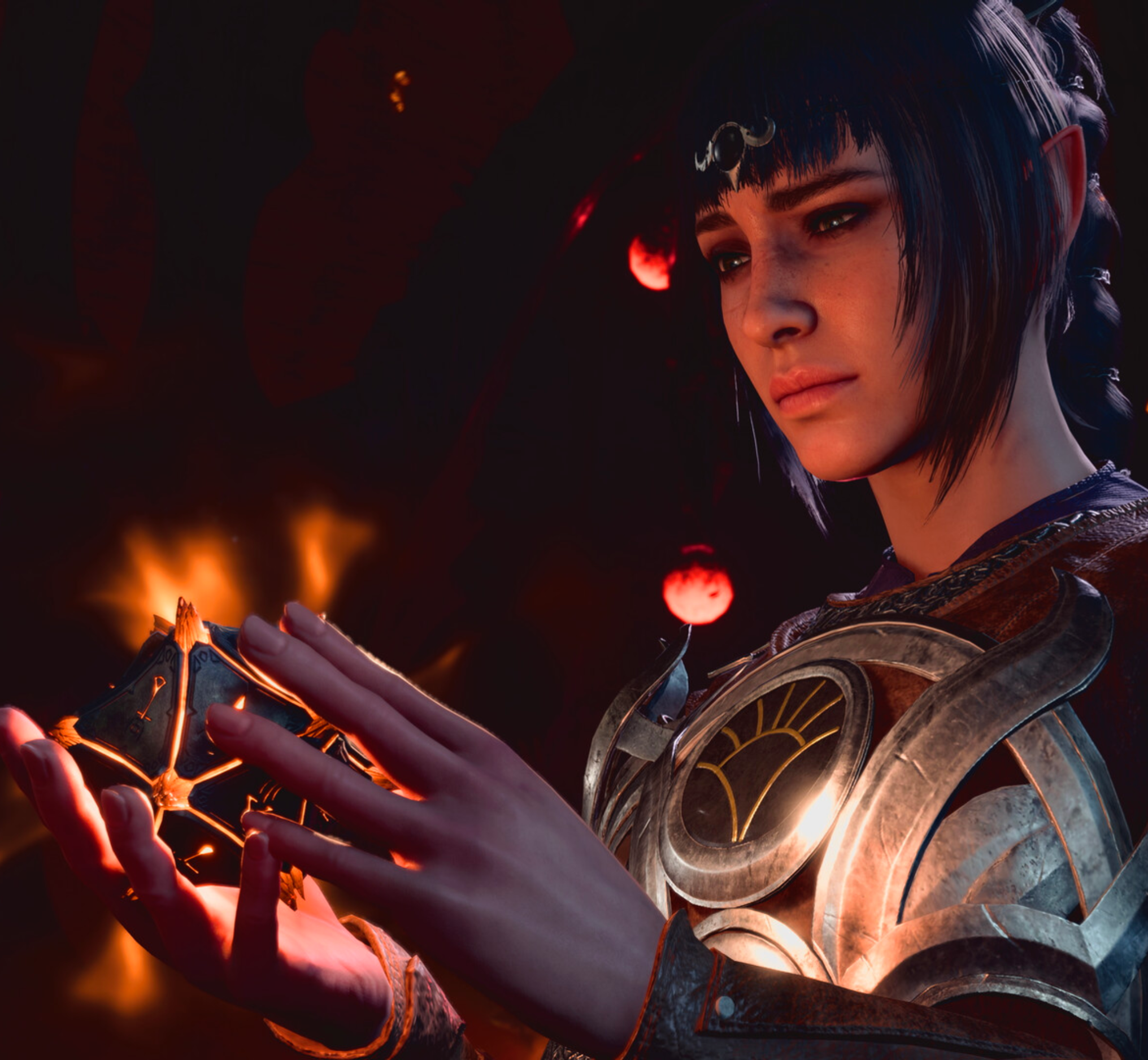
Rather than retelling the events of earlier Baldur’s Gate titles, the show is expected to build directly on the narrative foundation of Baldur’s Gate 3. The game, developed by Larian Studios, became a cultural phenomenon thanks to its branching storytelling, morally complex choices, and richly written companions. Set in the Dungeons & Dragons universe of the Forgotten Realms, the story centers on a group of unlikely heroes infected with mind flayer parasites, forcing them to confront both an existential threat and their own inner conflicts.
Continuing that story on television presents both an opportunity and a challenge. Baldur’s Gate 3 is defined by player agency, with countless possible outcomes shaped by individual choices. The TV series will need to establish a canonical direction while preserving the spirit of freedom, consequence, and character-driven drama that made the game resonate so strongly with players.
Early indications suggest the show will lean heavily into ensemble storytelling, focusing on party dynamics, shifting alliances, and the moral ambiguity of power in a world shaped by gods, demons, and political intrigue. Themes such as identity, corruption, and sacrifice—central to the game—are expected to carry over, with an emphasis on grounded character arcs amid high fantasy spectacle.
HBO’s involvement also suggests a significant production investment. The Forgotten Realms setting demands large-scale worldbuilding, from bustling cities like Baldur’s Gate itself to darker, more otherworldly locations tied to the game’s central conflict. If successful, the series could establish a long-running fantasy franchise comparable in scope to HBO’s past genre hits.
The announcement reflects a broader industry trend as studios look to video games as a source of rich, pre-existing worlds with passionate fanbases. After years of uneven results, recent successes have demonstrated that thoughtful adaptation can bridge the gap between interactive and linear storytelling.
While casting details, release timing, and plot specifics remain under wraps, anticipation is already building. For fans of Baldur’s Gate 3, the prospect of revisiting its world—and seeing familiar characters and consequences brought to life—marks a new chapter for a franchise that has already redefined modern role-playing games.