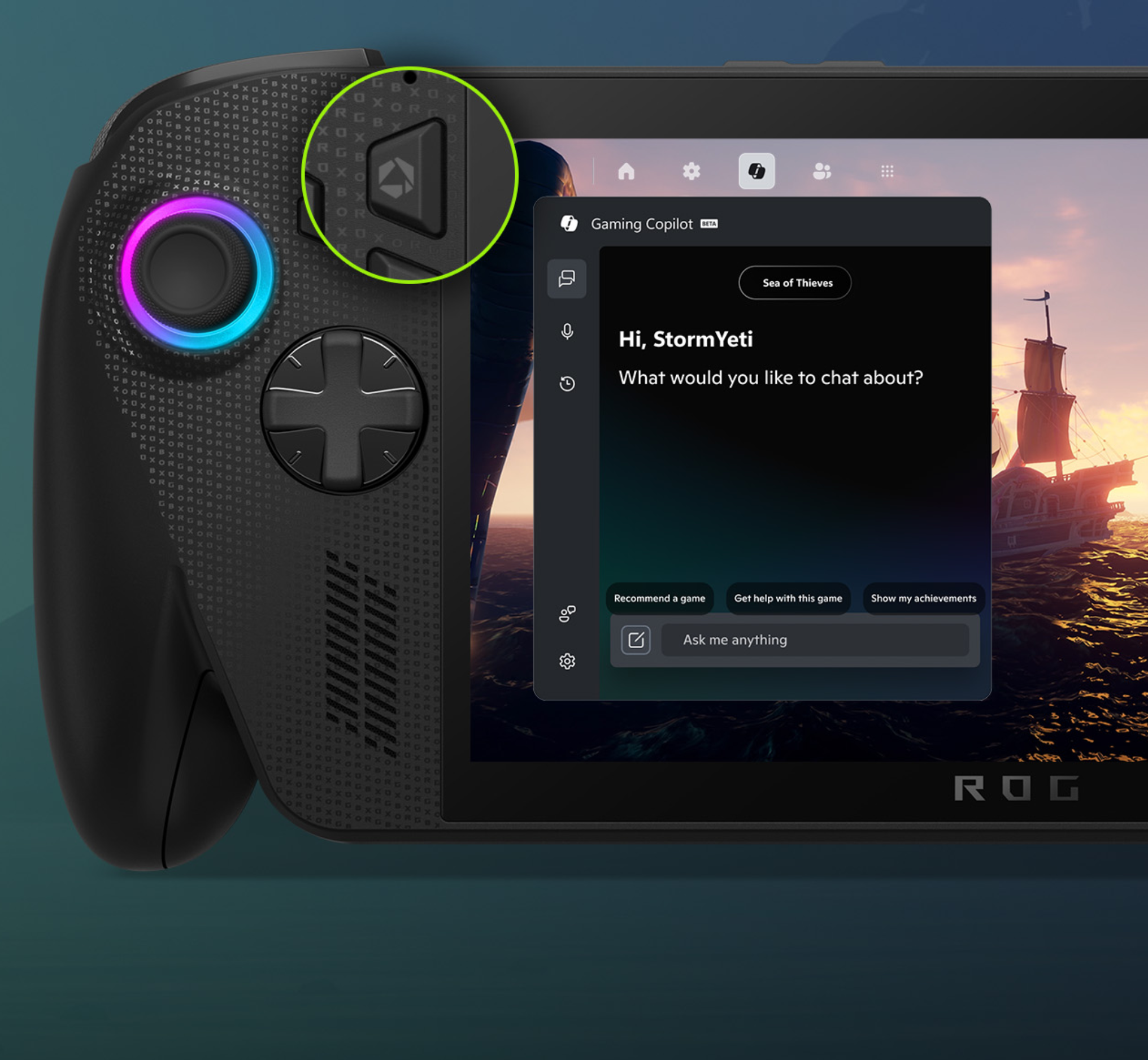
The video game industry is continuing to explore the possibilities of artificial intelligence, and one of the most significant recent developments comes from Microsoft. The company has announced plans to introduce an AI-powered assistant called Gaming Copilot to its Xbox ecosystem later in 2026. The feature is designed to help players during gameplay by offering real-time advice, guidance, and recommendations based on the player’s activity and gaming habits.
Gaming Copilot aims to function as an intelligent companion while players are actively engaged in a game. Instead of relying on external walkthroughs or leaving a game to search for help online, players will be able to ask the AI assistant for guidance directly from their console. For example, if a player is stuck on a difficult boss battle or unsure how to complete a specific objective, the assistant can analyze the current situation and provide hints or strategies.
According to early demonstrations, Gaming Copilot will integrate seamlessly with modern Xbox consoles such as the Xbox Series X and Xbox Series S. The assistant will be accessible through voice commands or on-screen prompts, allowing players to request help without interrupting their gameplay experience. The technology builds on Microsoft’s broader investments in AI and cloud-based services, which the company has been steadily expanding across its gaming platforms.
Another feature of the assistant is its ability to offer personalized recommendations. By analyzing the player’s library, playtime patterns, and preferences, the system can suggest new games, strategies, or even different ways to approach a challenge. This level of personalization is intended to create a more tailored gaming experience, particularly for players who enjoy exploring multiple genres or trying new titles.
The development of Gaming Copilot reflects a broader trend in the gaming industry toward integrating advanced technology into everyday gameplay. Artificial intelligence has already begun influencing game development through procedural generation, smarter non-player characters, and dynamic storytelling. Now, companies are exploring how AI can assist players directly.
For Microsoft, the feature also strengthens the company’s competitive position in the console market. By introducing innovative tools that enhance the player experience, the company hopes to attract new users and keep existing players engaged with its ecosystem. Gaming Copilot may also integrate with services like game libraries and community features, potentially allowing players to receive tips from both AI and other gamers.
While the feature is still in development, early reactions from the gaming community have been largely positive. Many players see the potential for AI to reduce frustration in difficult games while maintaining the excitement of discovery and progress. Others are curious to see how well the system can understand complex gameplay scenarios and provide useful advice in real time.
If successful, Gaming Copilot could represent a major shift in how players interact with games. Instead of relying solely on external guides or community forums, players may soon have a built-in assistant capable of offering intelligent, context-aware support. As artificial intelligence continues to evolve, tools like Gaming Copilot may become a standard feature across gaming platforms.