Pathea Games, the studio best known for its colorful life-sim titles like My Time at Portia and My Time at Sandrock, is shifting gears in a dramatic way with the reveal of The God Slayer — a brooding, combat-driven steampunk-fantasy RPG that marks one of the boldest tonal departures in the company’s history. Announced under Sony’s China Hero Project, the game immediately drew attention for its atmospheric presentation, elemental combat mechanics, and ambitious multi-platform rollout across PC, PlayStation 5, and Xbox Series X|S.
The reveal trailer showcases a world in turmoil, drenched in thick fog, brass machinery, and mystical forces that have spun far beyond human control. Unlike Pathea’s previous upbeat, community-focused worlds, The God Slayer plunges players into a realm where ancient beings, destructive rituals, and power-hungry factions collide. The game’s name hints at its central conflict: ordinary people forced into extraordinary circumstances, facing down beings that have come to resemble gods — whether through magic, machinery, or their own delusions of supremacy.
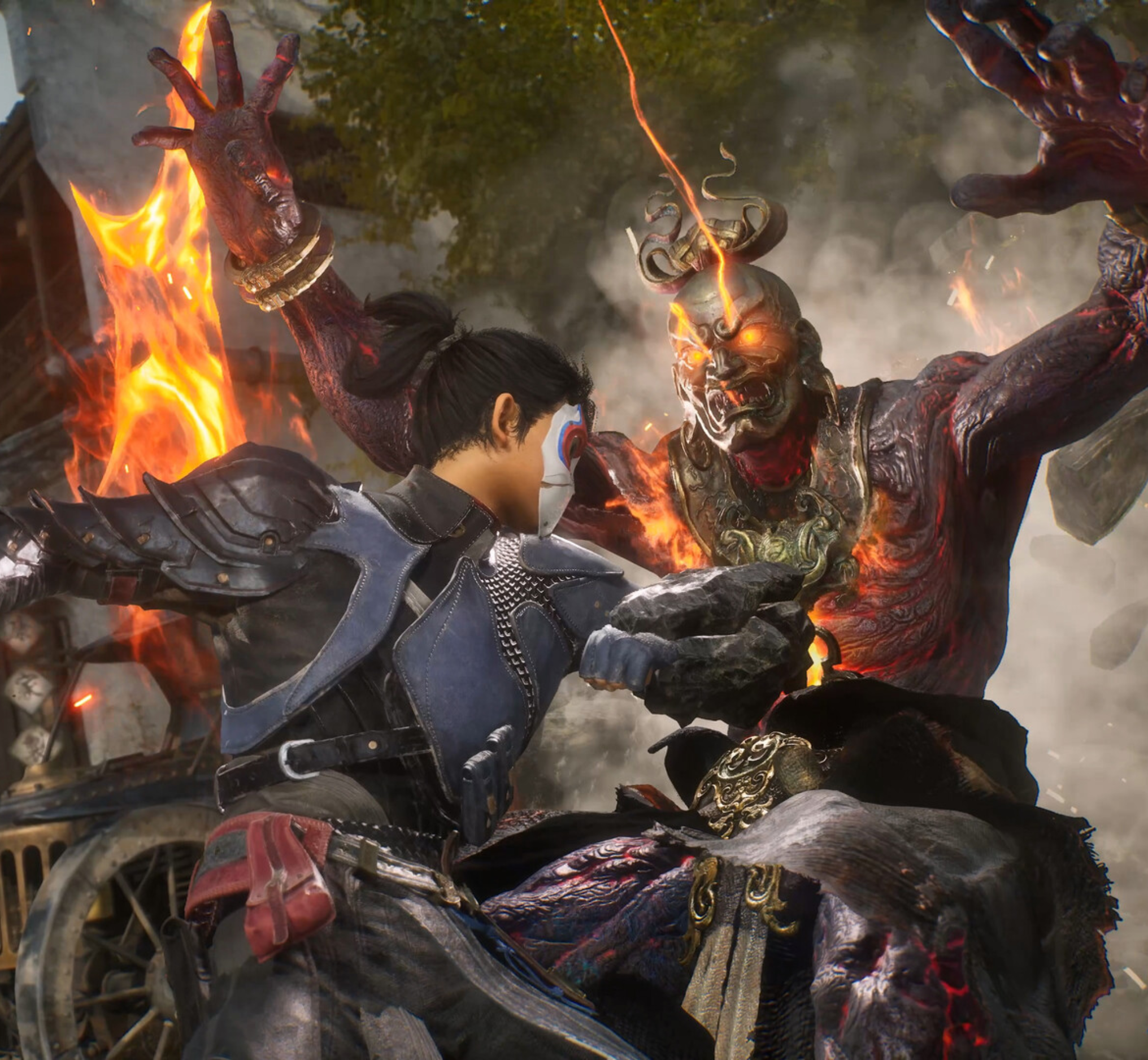
At the core of the experience is a deep elemental-based combat system, which blends spellcasting, melee weapons, and technology-driven abilities. Players can manipulate fire, ice, lightning, and other forces to craft customizable fighting styles that reflect their character’s background and evolving skillset. Early footage suggests an emphasis on precision and pacing: clashes are fast, visually striking, and filled with tactical opportunities to exploit elemental weaknesses in both enemies and the environment.
The game’s darker edge goes beyond visuals. Pathea Games describes The God Slayer as a narrative-rich journey built around personal consequences and moral weight, a sharp contrast to the cheerful exploration and relationship-building players expect from the studio. Characters are shaped by past trauma, complex loyalties, and choices that determine not just their fate, but the world they’re trying to save — or possibly reshape. Dialogue sequences appear cinematic and somber, hinting at themes of sacrifice, rebellion, and the thin line between justice and vengeance.
From a production standpoint, the partnership with Sony’s China Hero Project signals a major push toward global prominence. The initiative, designed to spotlight high-potential Chinese developers and provide support in resources, marketing, and technical expertise, has already propelled multiple indie teams to international attention. With The God Slayer, Pathea seems poised to deliver one of the program’s most ambitious projects yet.
Graphically, the game uses a stylized but gritty art direction, blending European-inspired industrial architecture with East-Asian cultural motifs and mythological elements. Lumbering automata, glowing sigils, mechanical wings, and corrupted creatures all point to a setting where engineering and magic have become inseparable — and dangerously unstable. Fans have already drawn comparisons to titles like Dishonored, Final Fantasy XVI, and Black Myth: Wukong, though The God Slayer appears determined to carve its own identity.
With its cross-platform release plan, robust combat design, and tone unlike anything Pathea has attempted before, The God Slayer may represent a major evolution for the studio. As anticipation builds, the gaming community is eager to see whether this ambitious new direction can deliver a fresh contender in the modern RPG landscape.